The Importance of Teaching Children Empathy & Kindness
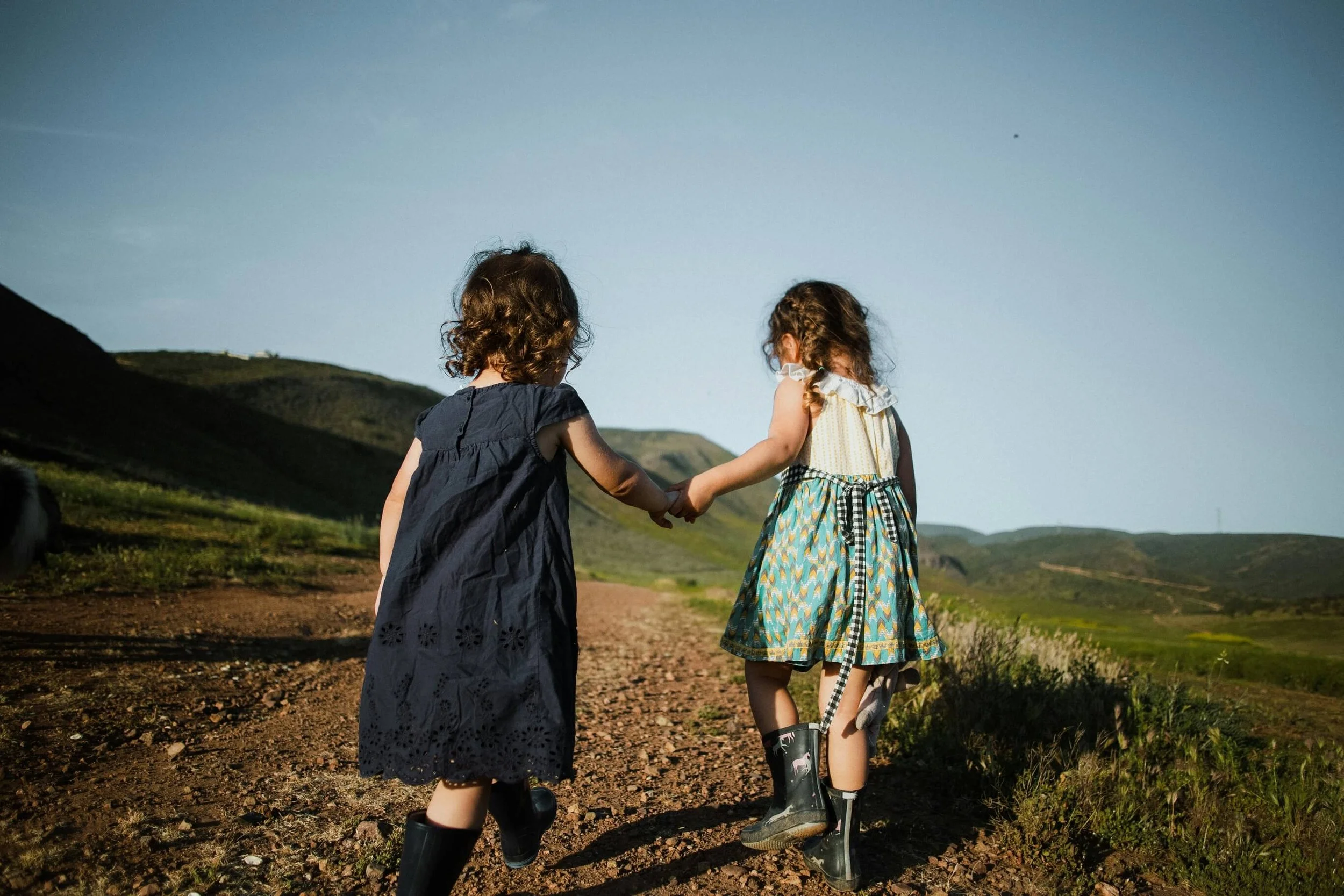
Teaching children empathy and kindness is one of the most important investments we can make in their futures — and in the future of our communities. These qualities shape how children relate to others, manage their emotions, and handle conflict. When we intentionally teach empathy and kindness from an early age, we help children grow into emotionally intelligent, socially responsible adults who contribute positively to school, work, and society.
Why empathy and kindness matter
Emotional health and resilience: Children who learn to recognize and respond to others’ feelings also become better at regulating their own emotions. Empathy helps them name feelings, understand triggers, and find healthy ways to cope.
Stronger relationships: Kindness and empathy build trust. Children who practice these skills form deeper friendships and are more likely to be included, supported, and supported by peers.
Reduced bullying and conflict: Empathy fosters perspective-taking. When children consider how their words and actions affect others, they’re less likely to engage in hurtful behavior and more likely to step in when they see it.
Academic and long-term success: Social-emotional skills like empathy support collaboration, communication, and problem-solving — abilities valued in schools and workplaces.
Community well-being: Small acts of kindness create ripple effects. A classroom culture that values empathy becomes a safer, more welcoming place for everyone.
When to start Teaching empathy and kindness should begin in infancy and continue through adolescence. Developmentally appropriate approaches vary by age, but the core message is the same: modeling, guidance, and practice matter.
Age-by-age approaches
Infants and toddlers (0–3): Respond promptly and warmly to distress. Naming emotions for them (“You’re upset”) and using comforting touch teach that feelings matter and that others will respond. Simple routines that include sharing and taking turns set early expectations.
Preschool (3–5): Use stories and play to introduce feelings and perspectives. Role-play common situations (“What if someone fell?”) and read picture books that explore emotions. Praise specific kind actions (“You helped your friend pick up the blocks — that was kind”).
Early elementary (6–8): Encourage perspective-taking with questions that prompt reflection (“How do you think she felt when that happened?”). Give children responsibilities that require caring for others (classroom helper roles, buddy systems). Teach problem-solving language for conflicts.
Older children (9–12+): Discuss more complex social situations and moral dilemmas. Encourage service projects and collaborative group tasks. Promote empathy as an active habit — noticing needs and taking appropriate action.
Practical strategies that work
Model behavior: Children learn most from what adults do. Speak kindly, show patience, and demonstrate apologizing and repairing relationships when you make a mistake.
Use everyday moments as teachable moments: Talk about feelings during routine activities, transitions, and conflicts. Name emotions and possible reasons behind them.
Teach feeling vocabulary: The more words children have for emotions (frustrated, disappointed, proud), the better they can express and understand them.
Practice perspective-taking: Ask open-ended questions and encourage children to describe how someone else might feel or why they acted a certain way.
Encourage acts of kindness: Create simple, age-appropriate opportunities — sharing supplies, writing thank-you notes, helping a classmate — and celebrate these actions.
Role-play and social stories: Rehearsing scenarios gives children tools to respond kindly in real situations.
Praise effort and intention: Focus on the caring intention behind actions, not just outcomes. This reinforces the intrinsic value of kindness.
Teach conflict resolution skills: Use “I” statements, calm-down strategies, and guided problem-solving steps to help children resolve disagreements constructively.
Use books and media intentionally: Choose stories that model empathy and discuss characters’ motivations and choices.
Overcoming common challenges
“Kids are selfish by nature.” Young children are naturally egocentric developmentally, but guided practice and repeated modeling accelerate perspective-taking and sharing.
“Time constraints.” Integrate empathy lessons into daily routines — breakfast conversations, storytime, and transitions — rather than treating them as extra tasks.
“Siblings and peers influence behavior.” Use family or classroom norms and consistent expectations to reinforce kind behavior across relationships.
Measuring progress Empathy and kindness are best observed in everyday interactions: sharing, comforting a hurt friend, using respectful language, or offering help without prompting. Keep expectations realistic and celebrate small gains. Reflections, role-play assessments, and teacher/parent notes can document growth over time.
The role of schools and caregivers Teachers, parents, and caregivers form a partnership in social-emotional development. Consistent language, shared expectations, and coordinated activities (service projects, buddy programs, classroom meetings) amplify learning. Schools that embed social-emotional learning into daily routines create climates where empathy and kindness flourish naturally.